
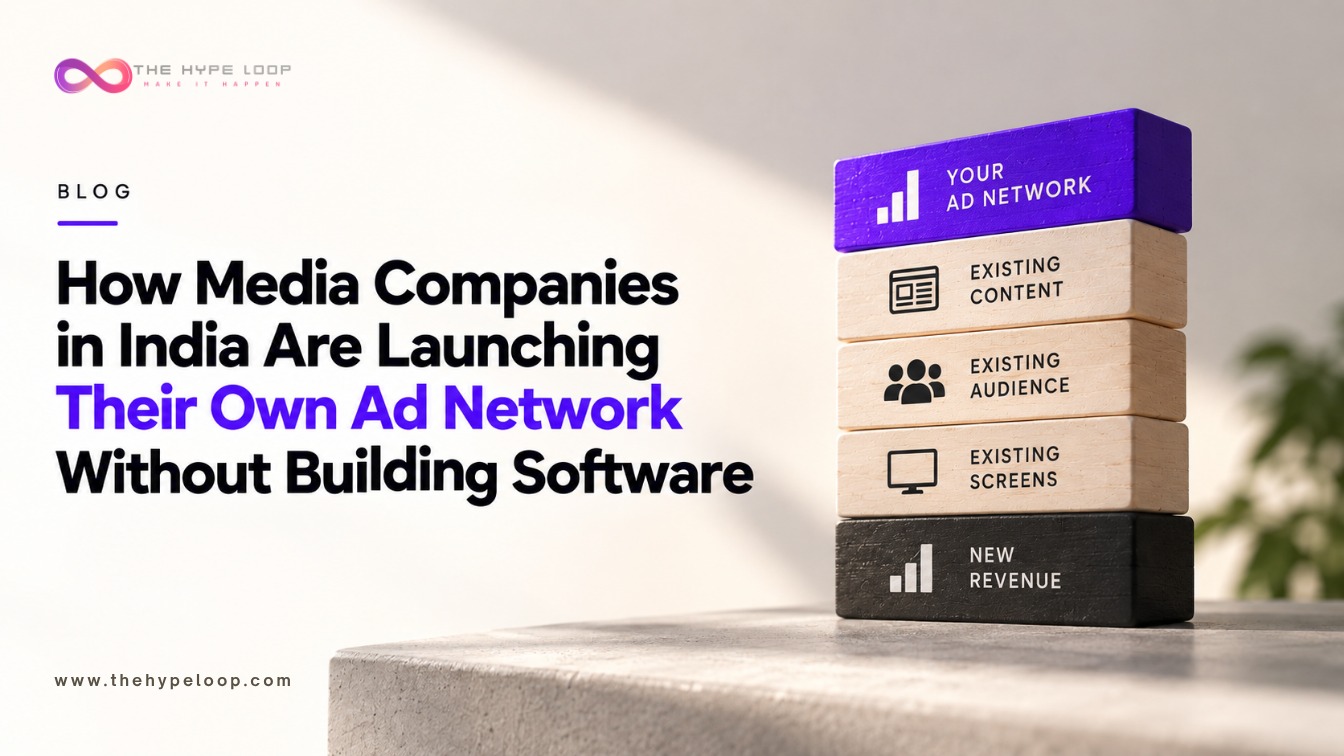
Every large digital screen network runs on the same invisible layer: something is deciding what plays, when, on which screen, and whether it actually played. Advertisers never see this. Screen owners barely think about it. But it's the difference between a network that scales to 50 screens and one that scales to 5,000.
The part of an ad network nobody sees — until it breaks.
If you manage screens across multiple properties, cities, or client accounts and you're still doing this over WhatsApp groups and spreadsheets, you already know where the ceiling is.
What Running Screens Without a CMS Actually Looks Like
This is usually how it starts, and usually how it breaks:
Someone manually swaps creatives on each screen or sends files over WhatsApp to on-site venue staff.
When an advertiser asks “did my ad actually run 200 times last week,” the honest answer is a guess.
Matching what ran, on which screen, for how long, against what was invoiced, by hand, every single month.
A screen goes offline in a mall three days ago and nobody notices until an upset client points it out.
What a White-Label CMS Hands You on Day One
A platform like The Hype Loop’s CMS gives a media company or screen network everything above, under their own brand, without writing a single line of code:
Centralized Scheduling
Push creatives to one screen or a thousand from a single cloud dashboard with millisecond sync.
Real-Time Proof-of-Play
Every ad playback is logged automatically with tamper-proof timestamps, so advertiser reporting is a fact, not an estimate.
Automated Billing & Invoicing
Plays, slots, and durations tie directly to customer invoices, eliminating manual reconciliation headaches.
Instant Screen Health Monitoring
Heartbeat ping checks and instant offline alerts notify your operations team in minutes, not days.
Your Branding, Your Client Relationships
The software infrastructure runs completely behind the scenes. Your advertisers and screen partners see your logo, your domain, and your identity.
Self-Serve Advertiser Access (Optional)
Plug into a self-serve booking layer so advertisers can browse, book, and pay for your inventory directly — exactly like on a national platform.
📐 The Build-vs-Buy Math in Numbers
Building an enterprise DOOH CMS in-house requires hiring dedicated backend, player firmware, frontend, and cloud DevOps engineers — typically a multi-quarter investment exceeding tens of lakhs before a single screen is reliably managed.
Licensing it white-label enables a screen network to be fully operational on proven, carrier-grade infrastructure inside weeks at a fraction of the cost.
Who This Is Actually For
This isn't aimed at a single café or gym owner with one display — that's a screen-inventory listing, not a network. This white-label solution is built specifically for:
- ✔ Regional OOH / DOOH Media Companies managing screens across multiple venues, tech parks, or tier-1/tier-2 cities.
- ✔ Property Management & Real Estate Groups operating internal signage across multiple commercial towers or residential communities.
- ✔ Marketing & Media Agencies that own physical screen inventory and want to productize it into high-margin recurring ad revenue.
- ✔ Independent Operators currently coordinating screen content manually via thumb drives or chat apps and hitting a scaling wall.
Frequently Asked Questions
What is a white-label CMS for digital signage?
It's content management software that a media company can run under its own brand to manage scheduling, proof-of-play, and billing across a network of digital screens — without building the software in-house.
How is this different from buying digital signage hardware?
Hardware (the commercial displays and media player boxes) is separate from the CMS. The CMS is the intelligent cloud software layer that decides what content plays, when, verifies delivery, and provides reporting — it integrates seamlessly with existing screen hardware.
How long does it take to launch an ad network on a white-label CMS?
Typically weeks rather than the months or quarters needed to build equivalent scheduling, proof-of-play, and billing infrastructure in-house from scratch.
Can advertisers book screens directly on a white-label network?
Yes. When the CMS includes a self-serve booking layer, media companies can offer their advertisers direct, self-serve access to browse locations and book screen inventory under the network’s own brand.
Who should consider a white-label DOOH CMS instead of building software?
Media companies, regional OOH operators, and property groups managing screens across multiple locations who need centralized scheduling and reporting but don’t want the ongoing expense of building and maintaining proprietary software.
Launch Your Branded Ad Network in Weeks
Booking a limited number of demo slots this week for media companies and screen operators evaluating a white-label CMS for their network.