
Introduction
The biggest mistake brands make while budgeting for DOOH advertising is simple but costly.
They spend money on screens, not on strategy.
In today’s world of digital OOH advertising, brands rush to book high-visibility screens. However, they ignore audience relevance, screen performance, and timing. As a result, budgets get exhausted with weak returns.
This problem becomes bigger in digital out-of-home advertising, where flexibility exists. Yet many brands still plan DOOH like old outdoor hoardings.
Hype Loop is changing this. We help brands plan smarter digital screen advertising based on data, not guesswork.
Let’s break down where brands go wrong—and how to fix it.
Understanding DOOH Budgeting in 2026
Before we discuss mistakes, we need clarity.
DOOH advertising is not static outdoor advertising.
It is dynamic, measurable, and location-based.
With digital OOH advertising, brands can:
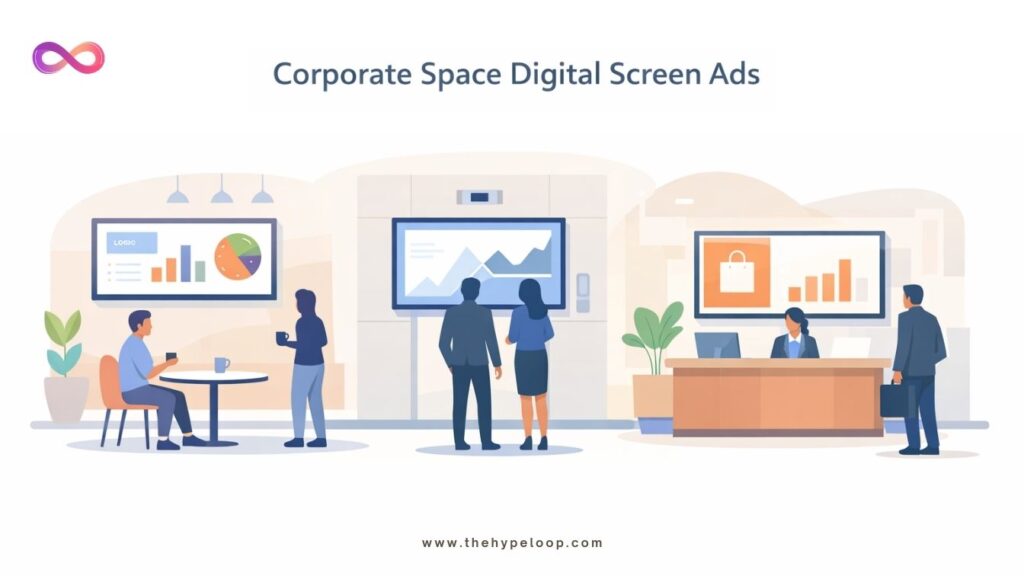
- Choose indoor advertising screens
- Target high footfall screens
- Control time slots
- Track playback and performance
- Optimize digital media placements
Yet many brands still allocate DOOH budgets like billboard spending. That is the core issue.
The Biggest DOOH Budgeting Mistake Brands Make
Treating DOOH Like Traditional Hoardings
This is the biggest mistake brands make while budgeting for DOOH.
Brands often:
- Focus only on screen size
- Chase premium locations blindly
- Ignore audience dwell time
- Skip performance metrics
As a result, budgets go into visibility, not impact.
In digital out-of-home advertising, context matters more than scale.
A smaller indoor screen in a high-intent space can outperform a large outdoor hoarding.
Why This Mistake Costs Brands More Money
When brands plan DOOH without data, three things happen.
Budget Gets Spread Too Thin
- Brands book too many screens.
- They reduce frequency.
- They lose recall.
DOOH works best with repetition on the right screens, not random exposure.
High Footfall Screens Get Ignored
Ironically, many brands skip high footfall indoor advertising screens.
Instead, they chase visibility on roads.
Indoor screens in malls, offices, hospitals, and residential lobbies offer:
- Longer dwell time
- Clear sightlines
- Better message absorption
Platforms like Hype Loop prioritize these screens.
No Performance Tracking
Without tracking, brands don’t know:
- Which screens performed
- Which time slots worked
- Where money was wasted
That leads to poor future budgeting decisions.
The Role of Digital Screen Advertising in Smarter Budgeting
Digital screen advertising gives brands control.
Unlike static hoardings, DOOH allows:
- Time-based planning
- Location-based targeting
- Audience-specific placements
However, brands must use a platform that supports this flexibility.
This is where Hype Loop plays a key role.
How Hype Loop Fixes the Biggest DOOH Budgeting Mistake
Screen Selection Based on Performance
The Hype Loop platform helps brands choose screens based on:
- Footfall data
- Screen type (individual vs group)
- Venue category
- Past performance
This ensures budgets go to screens that convert, not just impress.
Focus on Indoor Advertising Screens
Hype Loop specializes in indoor digital OOH advertising.
Indoor screens deliver:
- Higher attention
- Controlled environments
- Better brand recall
This helps brands avoid wasting money on low-impact placements.
Budget Control at Every Level
With Hype Loop, advertisers can:
- Start small
- Scale campaigns
- Pause or optimize anytime
This flexibility removes the fear of overspending.
Another Common Budgeting Mistake Brands Overlook
Ignoring Creative and Context Fit
Even with good screens, poor creatives fail.
Brands often spend:
- 90% on placements
- 10% on creative thinking
In DOOH advertising, context matters.
A message inside a gym should feel different from one inside a mall.
Hype Loop supports creative testing across multiple digital media placements.
Why High Footfall Screens Matter More Than Premium Locations
Many brands equate premium with expensive.
That’s wrong.
High footfall screens matter more than famous locations.
A screen inside:
- A busy mall corridor
- A corporate lobby
- A hospital waiting area
Often delivers better ROI than a roadside hoarding.
Hype Loop focuses on these high-intent environments.
How Smart Brands Budget for DOOH in 2026
Smart brands follow three rules.
Rule 1 – Start With Audience, Not Location
Ask:
- Who should see this ad?
- When are they most attentive?
- Where do they spend time indoors?
Then choose screens.
Rule 2 – Allocate Budget for Testing
Never lock the full budget upfront.
Test:
- Multiple screens
- Different time slots
- Creative variations
Hype Loop allows this without long-term contracts.
Rule 3 – Measure and Optimize
Track:
- Playback completion
- Frequency
- Screen-level performance
Then reinvest only where results show.
Why Hype Loop Is Built for Modern DOOH Budgeting
The Hype Loop platform was designed to solve real advertiser problems.
It helps brands:
- Discover digital OOH advertising inventory
- Select indoor advertising screens
- Launch campaigns quickly
- Track performance transparently
Most importantly, it prevents the biggest DOOH budgeting mistake—blind spending.
Digital Out-of-Home Advertising Is Not Set-and-Forget
DOOH is dynamic.
Budgets should be too.
Brands that treat DOOH like static outdoor media lose money.
Brands that use platforms like Hype Loop gain control.
That’s the difference.
Final Thoughts – Don’t Let Your DOOH Budget Go to Waste
The biggest mistake brands make while budgeting for DOOH is not lack of money.
It is lack of planning.
With digital OOH advertising, you have the tools.
With Hype Loop, you have the platform.
Now, you just need the right approach.
If you are planning your next DOOH advertising campaign, don’t repeat old mistakes.
👉 Register on the Hype Loop platform and Start with plans from ₹1999